



South Florida asks more of a material than almost anywhere else. Humidity moves through a house year round. Salt air reaches further inland than most people expect. Sunlight arrives at an intensity that flattens some surfaces and exposes every flaw in others. A finish that performs beautifully in a northern interior can separate or warp within a few seasons here.
Texture in this climate is never only an aesthetic decision. It is a durability decision.
Texture is often what separates high-end interiors from spaces that merely look expensive. While color and form are immediately visible, texture operates more subtly. It creates depth, softness, and nuance. It invites touch. It absorbs and reflects light in ways that flat surfaces cannot.
Texture Adds Dimension Without Noise
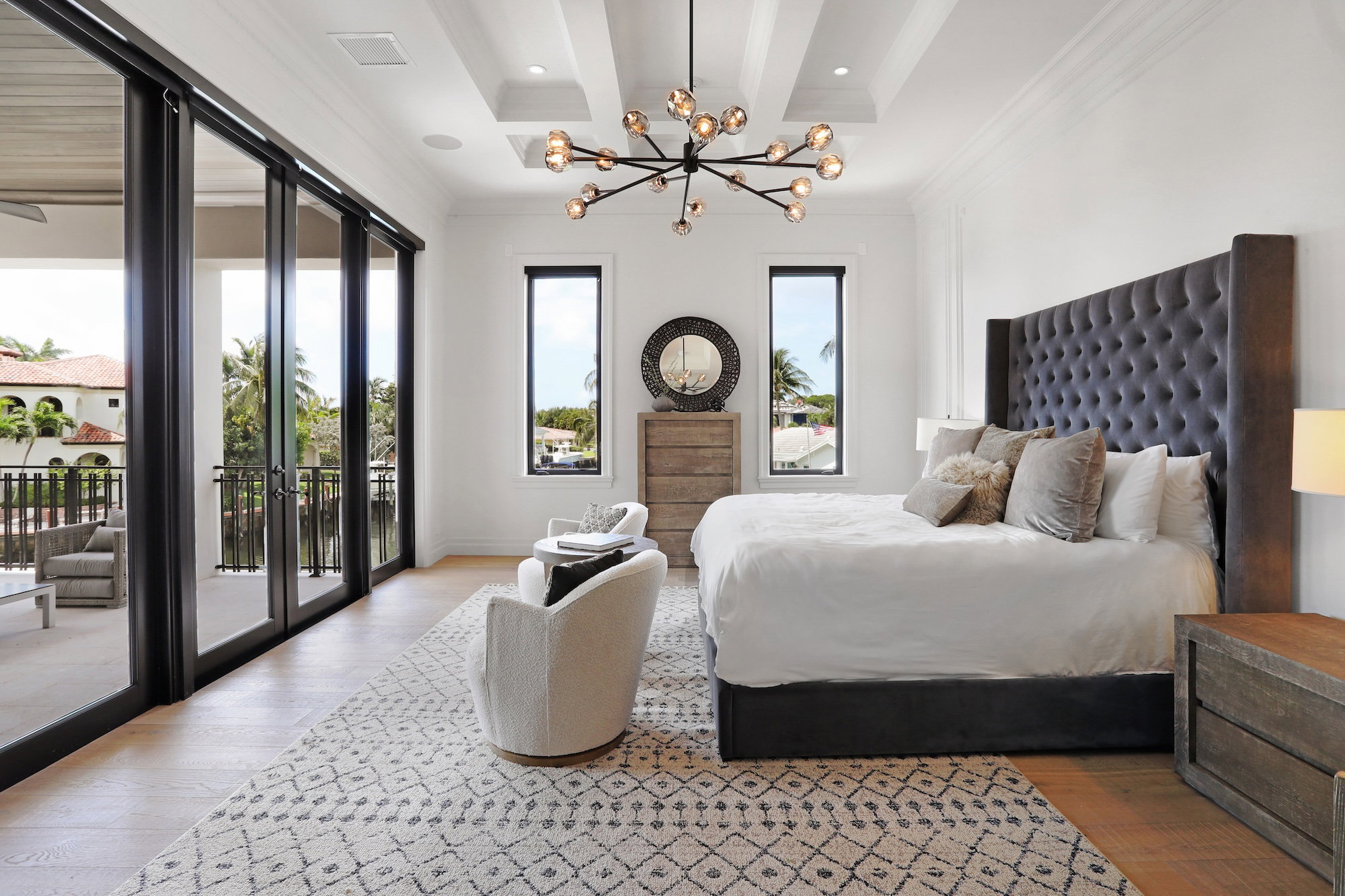
Texture allows interiors to feel rich without relying on contrast or ornamentation. Plaster walls, reeded wood, honed stone, and woven textiles add visual interest while maintaining cohesion. Texture creates layers that read quietly rather than loudly.
This matters more in a coastal palette than most people realize. South Florida interiors tend toward light, warm neutrals, and in bright rooms strong contrast reads as harsh rather than considered. When the palette is restrained, variation has to come from surface quality. A plaster wall beside a carved molding reads as depth. The same wall painted flat reads as empty.
Light and Texture Are Inseparable
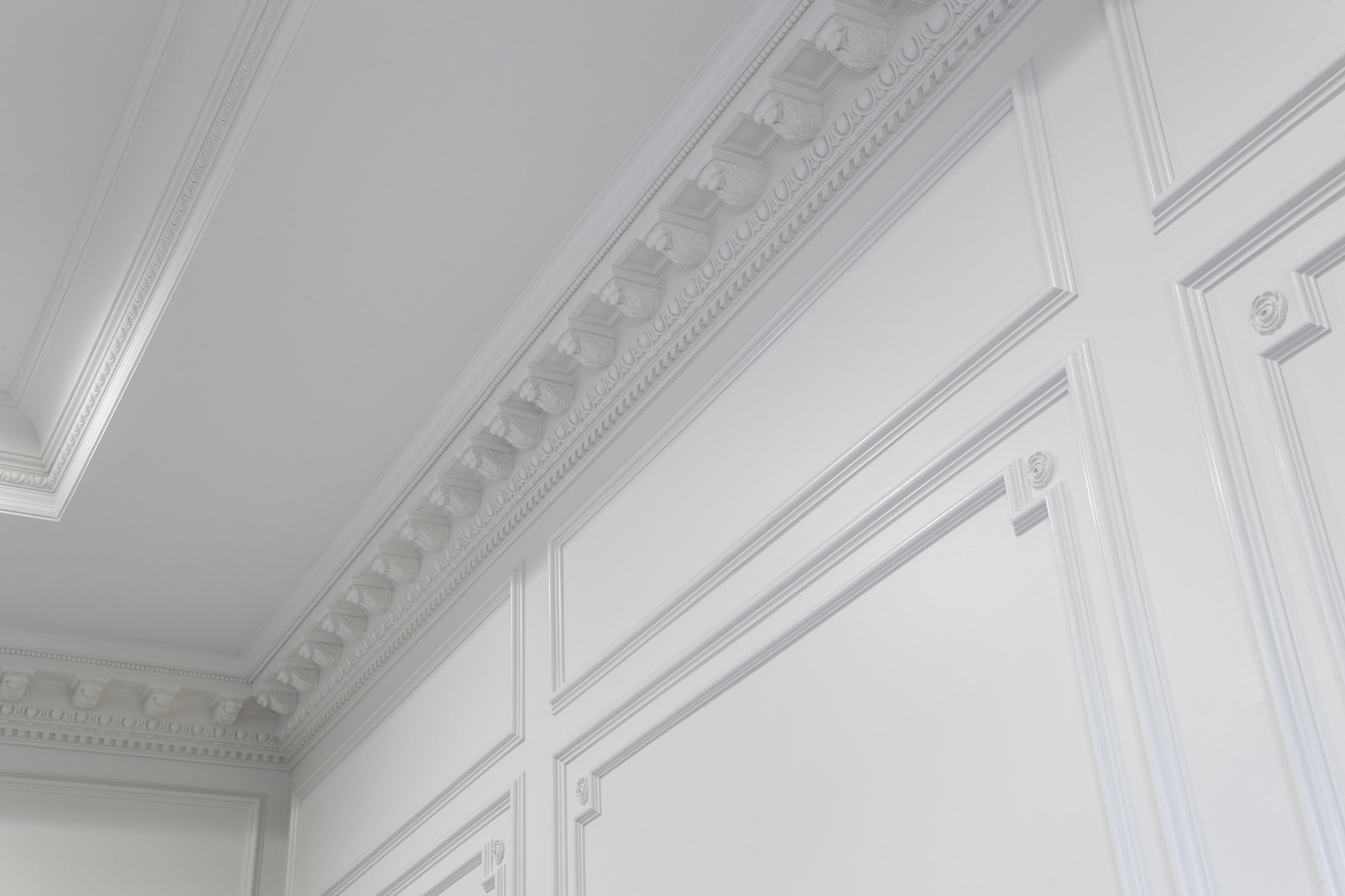
Texture only exists because of light. Raking light reveals depth. Soft washes emphasize subtle variation. Poor lighting flattens texture and diminishes its impact.
Florida light is unusually direct, and it moves hard across a room over the course of a day. A molding profile that is legible at nine in the morning can disappear by two in the afternoon. Designing the two together is the only way to control that.
Texture Signals Craftsmanship
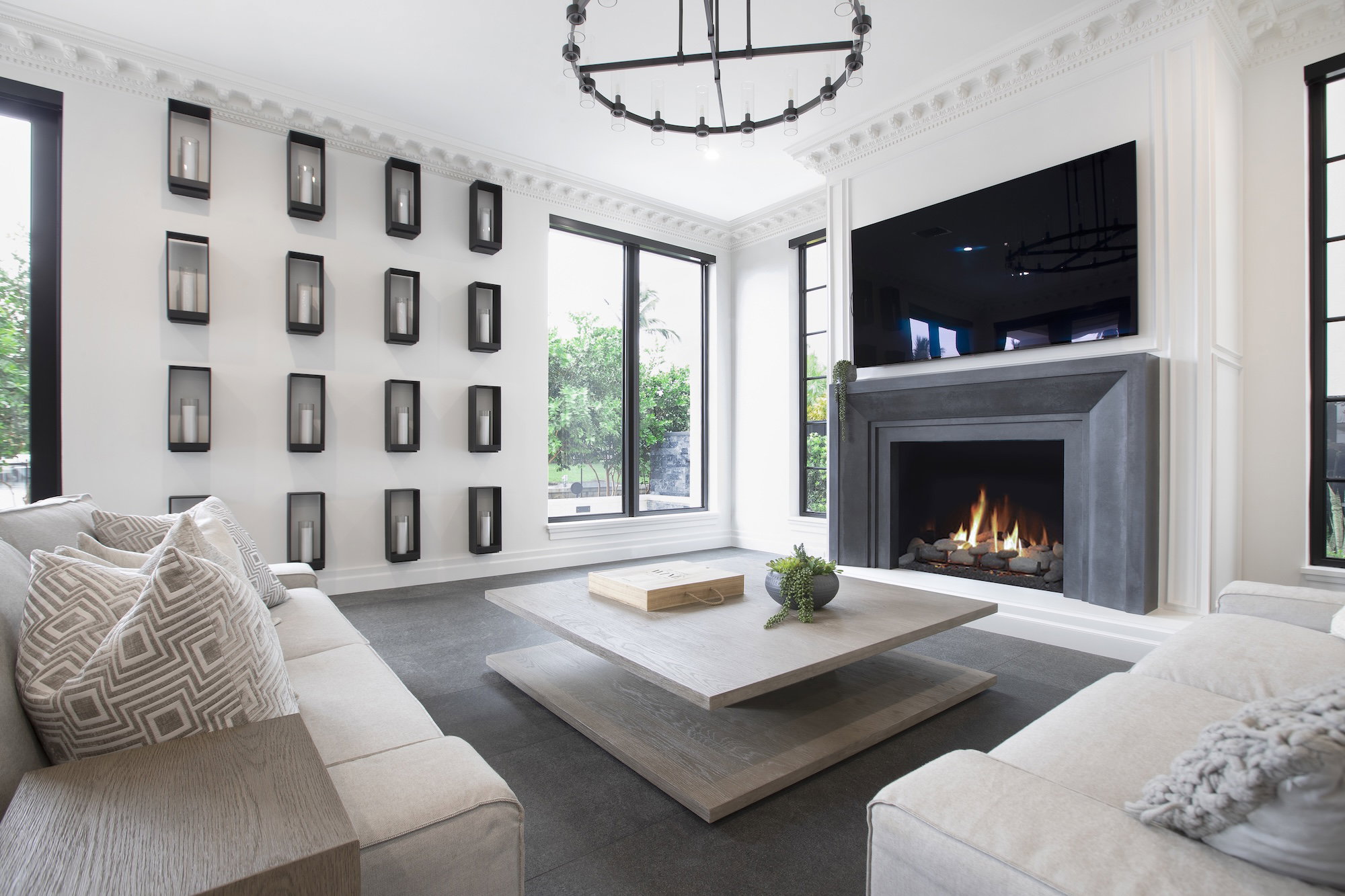
Hand-applied finishes, natural materials, and artisanal processes introduce imperfection and character. These qualities signal authenticity. They are not decoration. They are evidence.
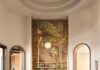
In that same residence, the double-height foyer ceiling carries an ornate crown molding executed entirely in plaster rather than lumber. The choice was climate driven. Detail at that scale, milled in wood, would separate over time as Florida humidity moved the material. Plaster does not expand and contract the same way. The reference was European, where the intricate moldings that have survived centuries are almost all plaster work. Below the ceiling, the wainscoting was deliberately simplified, giving the ornate profile something quieter to read against.
The Best Millwork Is Built in Place
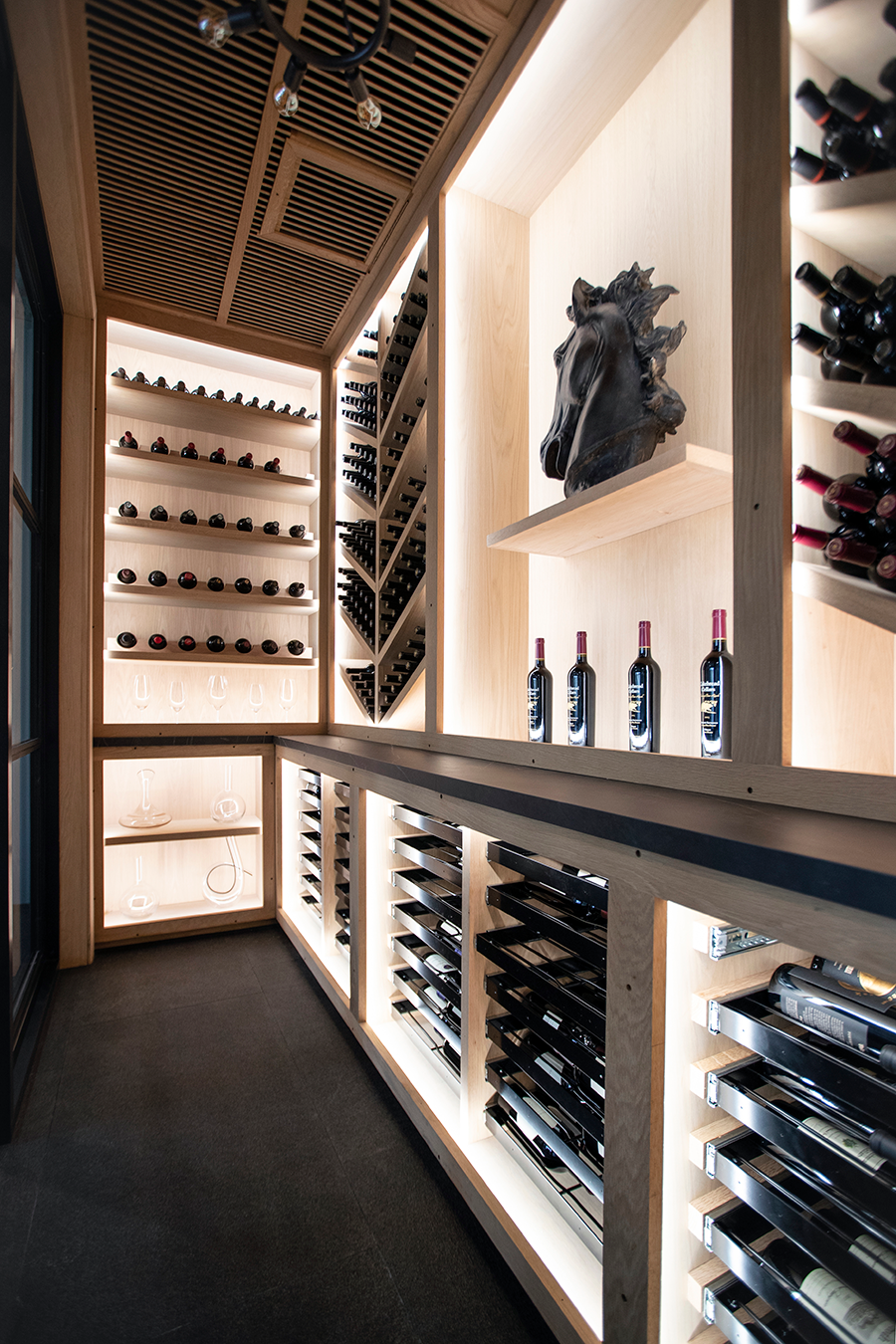
The home office and wine cellar began as a dark, cavernous library. It arrived as a stack of lumber and operated as a working wood shop for four to five months.
The cabinetry was installed raw and painted only once in place, rather than finished off site and fitted afterward. It is slower. It is also the only way the seams truly disappear. Millwork delivered finished reads as furniture. Millwork built in place reads as architecture. The profiles here are clean-lined, a counterweight to the ornate work elsewhere in the house, and the cellar is active storage regulating temperature and humidity alike.
Texture as a Design Language
At SKETCH, texture is intentional. We select materials not only for how they look, but for how they behave in light and over time. The same discipline shaped the exterior, whose stone facade earned a 2023 Coverings Installation and Design Award in Residential Stone Design.
“I select materials for how they will look in twenty years, not twenty minutes,” says Bridgette Caporaso. “In this climate, the harder choice is usually the only enduring one.”
Final Thought
Luxury is felt as much as it is seen. Texture is how interiors communicate that feeling.







Facebook Comments